

What if you’re doing great, enjoying a healthy and active retirement, and then an unexpected injury, accident, or medical emergency happens to you or a loved one? Suddenly, you have to cover a massive, unplanned expense for in-home assistance, assisted living, or a skilled nursing facility.
When the dust settles, the immediate question becomes: Where is that money coming from? Do you know how it will be taxed when you move it? Most importantly, do you have enough?
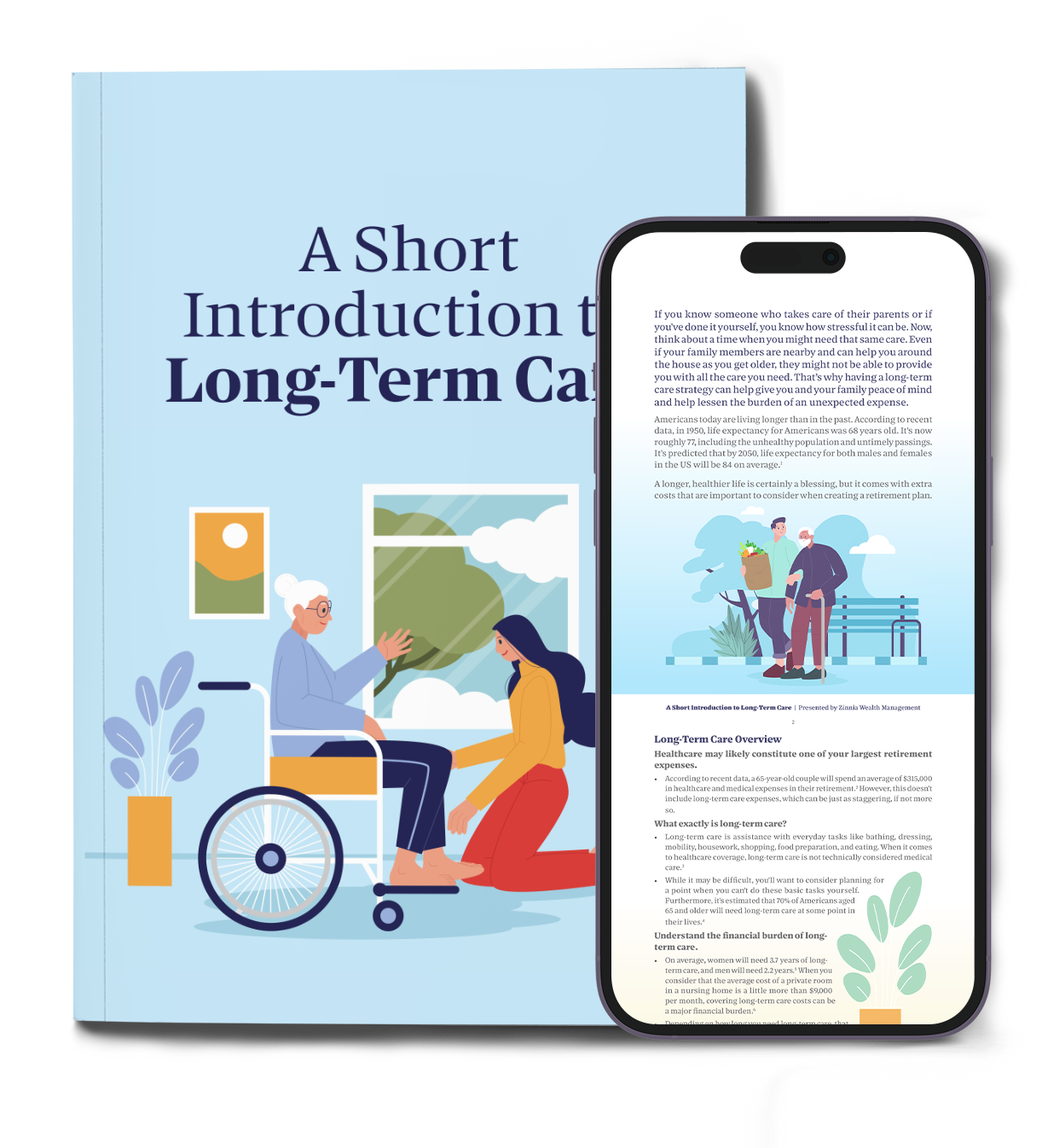
According to federal data, roughly 70% of people over age 65 will need some form of long-term care in their lifetime.1 While many retirees focus their investment portfolios purely on wealth accumulation, retirement requires a fundamentally different framework. Your portfolio must now seek to meet multiple objectives: balancing tax optimization, legacy preservation, and liquidity provision. You need immediate access to funds without market timing risks.
Let’s take a moment to compare tools people typically use to cover these sudden long-term care costs:
Health Savings Accounts (HSAs)
HSAs are powerful vehicles because they offer triple-tax advantages for qualified medical expenses. However, the reality is that long-term care is increasingly expensive. With a private room in a nursing facility currently averaging well over $129,000 a year, most HSAs simply don’t have a large enough balance to sustain multi-year care needs.
Cash Savings
Cash provides ultimate liquidity. You can write a check tomorrow without worrying about stock market volatility. However, holding hundreds of thousands of dollars in cash savings leaves you largely exposed to inflation. As the cost of care rises year after year, your stationary cash steadily loses its purchasing power, meaning the money you thought was safe might fall short when you need it most.
Retirement Accounts (401(k)/IRA)
Many retirees assume they will simply pull from their 401(k) or IRA if they need care. But do you know how it’s taxed when you move it? Pulling an extra $100,000 out of a traditional retirement account in a single year can push you into a significantly higher tax bracket. Not only that, forcing a withdrawal during a market downturn damages the longevity of your portfolio, potentially leaving a healthy surviving spouse without enough income.
A More Flexible Option: Cash Value Life Insurance
Traditionally, long-term care planning presented a binary choice: buy standard insurance or self-insure. But cash value life insurance (often referred to as asset-based long-term care) offers a dynamic third option.
Costs and Misconceptions
Historically, people assumed life insurance only paid out when you passed away, or that asset-based care policies required a massive, inflexible single premium. Today’s options are highly adaptable. Instead of viewing the premium as an unrecoverable expense, look at it through the framework of spreading major health costs. These policies can even provide access to a growing cash value and a potential opportunity to use death benefits for your own health needs, depending on the policy. Because the funds are available in a block, you can cover a large, one-time expense rather than draining your monthly retirement income or even going into debt. In addition, it can also act as a balance-sheet asset… your plan could retain cash value that you may be able to access or reposition if your financial strategy changes.
Benefits for Retirees: What Can This Protect?
So, what can an asset-based long-term care solution do for you, and what in your life can it safeguard? First and foremost, it helps support your independence and optionality. If you need care, it acts as a tax-efficient financial vehicle, allowing you to choose the quality of your care without feeling like a burden to your family.
But what if you never need care? Unlike traditional “use it or lose it” insurance, the unused assets may generally transfer income tax free to your beneficiaries.
Having this liquidity carved out can help lessen overall financial risk for the rest of your life. It can help prevent your spouse’s lifestyle from being derailed, and it helps preserve the legacy you want to leave behind. By shifting your mindset toward a comprehensive, care-integrated portfolio, you help make sure a health crisis doesn’t turn into a financial one. Reach out to us today to get started.